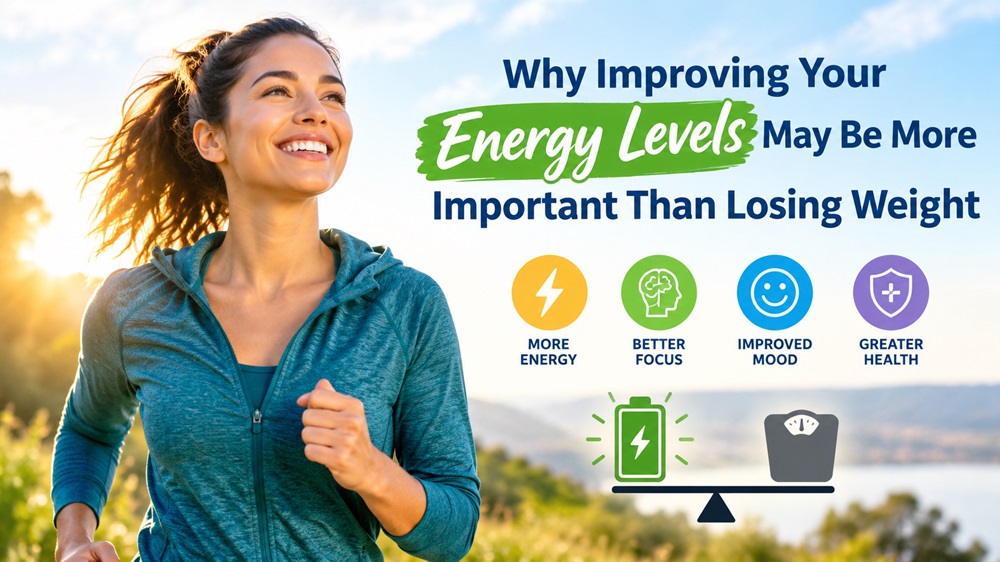
When most people begin a health journey, their primary focus is often weight loss. They set goals based on the number they want to see on the scale, the clothing size they hope to wear, or the pounds they want to lose before a specific event.
While maintaining a healthy weight is certainly important, many health experts believe there is another measurement that deserves just as much attention—your daily energy level.
Think about it. Energy influences nearly every aspect of your life. It affects your productivity, motivation, physical activity, mood, sleep quality, and overall wellbeing. When energy levels are low, even simple daily tasks can feel overwhelming. On the other hand, when you feel energized and physically capable, making healthy choices often becomes much easier.
The reality is that improving energy levels can often create a positive chain reaction that naturally supports weight management, better health habits, and improved quality of life.
The Modern Energy Crisis
Many adults wake up feeling tired despite spending hours in bed. They rely on coffee, energy drinks, or sugary snacks to get through the day, only to experience energy crashes later.
Several factors contribute to this growing problem:
- Poor sleep habits
- Chronic stress
- Nutritional deficiencies
- Lack of physical activity
- Excess body weight
- Chronic pain
- Sedentary lifestyles
- Inadequate recovery
Over time, these issues can leave individuals feeling physically and mentally drained.
Unfortunately, many people accept low energy as a normal part of life.
It doesn’t have to be.
Why Low Energy Makes Healthy Living More Difficult
One of the biggest obstacles to long-term wellness is fatigue.
When you feel exhausted, you’re less likely to:
- Exercise regularly
- Prepare healthy meals
- Stay active throughout the day
- Manage stress effectively
- Maintain consistent routines
Low energy often leads to convenience-based decisions that may negatively impact health over time.
For example, someone who feels exhausted after work may choose fast food instead of preparing a nutritious meal. They may skip a walk or workout because they simply don’t have the energy.
These choices are understandable, but when repeated regularly, they can contribute to additional health challenges.
The Link Between Energy and Weight Management
Many people focus exclusively on calories when trying to lose weight.
However, energy levels often play an important role in weight management success.
Individuals with higher energy levels are generally more likely to:
- Stay physically active
- Make healthier food choices
- Maintain exercise routines
- Participate in recreational activities
- Stay motivated throughout their wellness journey
This doesn’t mean energy alone causes weight loss, but it can significantly influence the behaviors that support healthy weight management.
Improving overall wellness often helps create an environment where healthier choices become easier to maintain.
How Sleep Impacts Energy
Sleep is one of the most important yet overlooked components of health.
During sleep, the body performs critical recovery and repair functions.
Poor sleep may contribute to:
- Daytime fatigue
- Increased cravings
- Reduced motivation
- Difficulty concentrating
- Lower physical performance
Adults should prioritize consistent sleep habits and create routines that support restful sleep whenever possible.
Even small improvements in sleep quality can have a significant impact on daily energy levels.
Nutrition: Fueling the Body Properly
Food provides the fuel your body uses to function.
When nutrition is poor, energy production often suffers.
Highly processed foods may provide temporary satisfaction, but they frequently lack the nutrients needed to support optimal health.
A balanced diet that includes:
- Vegetables
- Fruits
- Lean proteins
- Healthy fats
- Quality carbohydrates
can help support sustained energy throughout the day.
Rather than focusing solely on calories, many wellness professionals encourage individuals to focus on nutrient quality and overall dietary habits.
Why Movement Creates More Energy
Many people believe they need energy before they can exercise.
In reality, physical activity often helps create energy.
Regular movement can support:
- Improved circulation
- Better mood
- Increased stamina
- Enhanced mobility
- Better sleep quality
Activities such as walking, stretching, swimming, cycling, or strength training can all contribute to improved overall wellbeing.
The key is finding activities that fit your lifestyle and can be maintained consistently.
The Role of Chiropractic Care in Daily Wellness
Physical discomfort can have a major impact on energy levels.
When individuals experience chronic back pain, neck pain, muscle tension, or mobility limitations, everyday activities often require more effort.
Chiropractic care focuses on improving spinal function and supporting proper movement patterns.
Many people seek chiropractic care to help address:
- Back pain
- Neck discomfort
- Headaches
- Joint stiffness
- Postural issues
- Reduced mobility
Improved comfort and movement may help individuals stay more active and maintain healthier lifestyles.
Red Light Therapy and Recovery Support
Recovery is another important factor influencing energy levels.
When the body is unable to recover effectively from daily stressors, fatigue often follows.
Red light therapy has become increasingly popular among individuals seeking non-invasive wellness solutions.
This technology uses specific wavelengths of light that interact with cells throughout the body.
Many people include red light therapy as part of a wellness routine because it may support:
- Recovery
- Circulation
- Cellular function
- Overall wellbeing
When combined with healthy habits, recovery-focused therapies may contribute to improved physical wellness.
Stress: The Hidden Energy Drainer
Chronic stress affects both the mind and body.
Long-term stress can influence:
- Sleep quality
- Eating habits
- Motivation
- Physical health
- Emotional wellbeing
Many people underestimate how much energy stress consumes.
Managing stress through healthy outlets such as exercise, meditation, hobbies, or spending time with loved ones may help support better overall health.
Small Habits That Can Boost Daily Energy
Improving energy doesn’t always require major lifestyle changes.
Simple habits can often make a meaningful difference:
- Drinking more water
- Walking daily
- Prioritizing sleep
- Reducing processed foods
- Taking regular movement breaks
- Practicing stress management
- Maintaining good posture
These small actions may seem insignificant individually, but their cumulative impact can be powerful.
Looking Beyond the Scale
Weight is only one measurement of health.
A person who feels energized, active, mobile, and mentally focused may experience significant improvements in quality of life regardless of what the scale says.
Instead of focusing solely on pounds lost, consider asking yourself:
- Am I sleeping better?
- Do I have more energy?
- Am I moving more comfortably?
- Do I feel stronger?
- Am I making healthier choices?
These improvements often indicate meaningful progress that extends far beyond appearance.
Creating a Wellness Lifestyle
The healthiest individuals are rarely those who follow perfect diets or never miss a workout.
They are usually the people who consistently practice healthy habits over time.
Wellness is not about perfection.
It is about making daily choices that support long-term health.
When energy levels improve, maintaining those habits often becomes easier, creating a positive cycle that supports overall wellbeing.
Final Thoughts
While weight loss remains a common health goal, energy may be an even more important indicator of overall wellness.
Higher energy levels can improve productivity, motivation, physical activity, recovery, and quality of life. By focusing on sleep, nutrition, movement, stress management, recovery, and overall wellness, individuals can create a strong foundation for long-term health.
Rather than chasing quick fixes or obsessing over the number on the scale, consider prioritizing the habits that help you feel your best every day.
When you have the energy to fully engage with life, many other health goals become much easier to achieve.